MiCA’s grandfathering window closed on 1 July 2026: what it means for Ethereum users in the EU
Crypto service providers that kept operating under national rules after MiCA applied had, at most, until 1 July 2026 to obtain EU authorisation. How…
Page 2 of 3
Crypto service providers that kept operating under national rules after MiCA applied had, at most, until 1 July 2026 to obtain EU authorisation. How…
The US payment-stablecoin law signed on 18 July 2025 set fixed deadlines in its own text. What the statute requires of issuers, when it…
On 29 May 2025 the SEC's Division of Corporation Finance said certain protocol staking activities do not involve securities offerings. The statement covers solo,…
On 22 October 2026 core developers postponed Glamsterdam's activation on the Hoodi testnet to investigate one gas-repricing EIP. The episode shows the real path…
ETH has no fixed cap. New ETH goes to validators on a formula tied to total stake; base fees and blob fees are burned.…
An ERC-20 approval lets another address move your tokens until it is used up or changed. A permit grants the same thing with a…
Most large DeFi deployments sit behind a proxy that can be pointed at new code. Storage layout, initialisers and selector clashes are the technical…
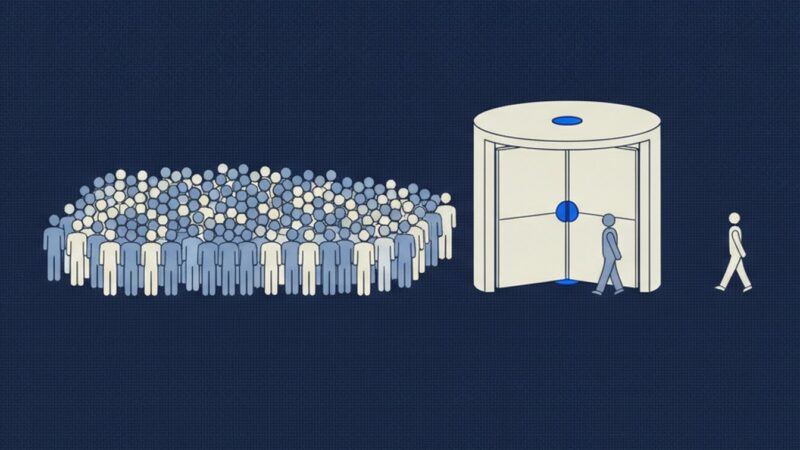
Ethereum caps how much stake can enter or leave per epoch. Since Pectra the cap is counted in ETH, not validators: at most 256…
What the Settlement Test is and is not: a fixed three-row description of settlement, cost, and failure mode on every protocol and L2 story,…
Why most rollups still run a single centralized sequencer, what censorship and downtime risk that creates, and the shared-sequencer and based-rollup approaches aiming to…
Optimistic vs ZK rollups: how fraud proofs and challenge windows differ from validity proofs, what each costs, and why the label alone does not…
The difference between an L2's fast soft confirmation and real L1 settlement, and the three concrete things to check on a rollup's own explorer…